
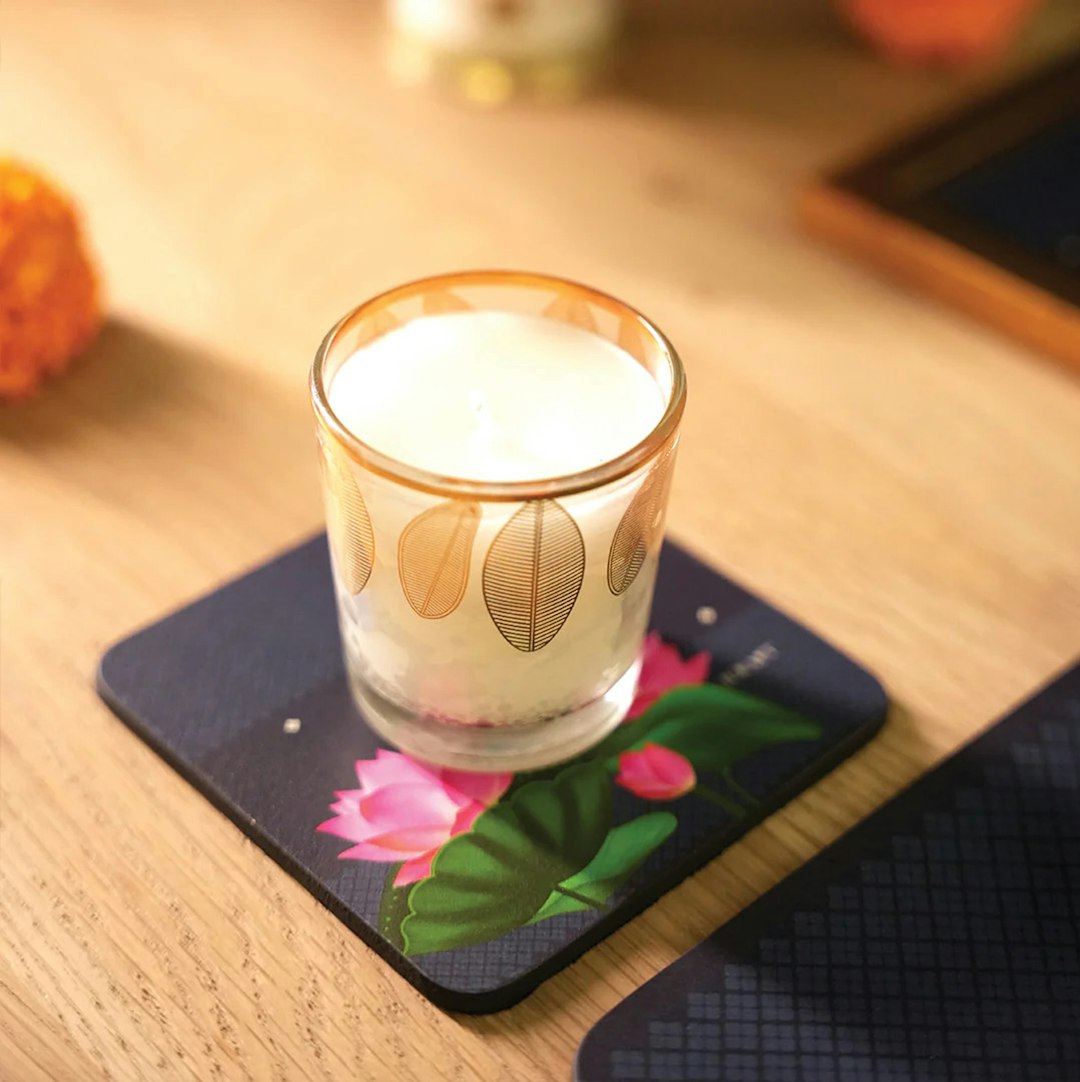
Scandinavian design has captivated the world with its perfect balance of beauty, functionality, and simplicity. Born from the Nordic regions of Europe, this design philosophy embraces minimalism while maintaining warmth and coziness—a concept the Danes call "hygge." Whether you're redesigning your entire home or just refreshing a single room, understanding these core principles will help you create a space that's both stunning and livable.
The Core Principles of Scandinavian Design
1. Functionality First
At the heart of Scandinavian design is the belief that beautiful things should also be useful. Every piece of furniture and decor should serve a purpose beyond just looking good. This principle stems from the Scandinavian climate and lifestyle—long, dark winters mean homes need to be practical, efficient, and comfortable.
When choosing furniture, ask yourself:
- Does this piece serve my daily needs?
- Can it be used in multiple ways?
- Is it comfortable for extended use?
- Will it remain practical as my needs change?
2. Minimalism and Simplicity
Scandinavian spaces are uncluttered and clean, but never cold or sterile. The minimalist approach means choosing quality over quantity—fewer pieces, but each one carefully selected for its beauty and function. This doesn't mean your home should feel empty; rather, every item should have its place and purpose.
Remember
Minimalism in Scandinavian design isn't about deprivation—it's about making room for what truly matters. Less clutter means more peace of mind and more space for living.
3. Natural Light Maximization
In regions where daylight is precious, especially during winter months, making the most of natural light is essential. Scandinavian design addresses this through:
- Large windows without heavy treatments
- Reflective surfaces and mirrors to bounce light
- Light-colored walls and ceilings
- Strategic furniture placement that doesn't block windows
- Sheer curtains that provide privacy while letting light through
Color Palette: The Foundation of Scandi Style
The Base: Whites and Neutrals
The classic Scandinavian palette starts with a foundation of whites, creams, and soft grays. These colors create a bright, airy backdrop that reflects precious natural light and makes spaces feel larger. But don't mistake this for boring—the variety in neutral tones adds depth and interest.
Warming Accents
While neutrals dominate, Scandinavian design incorporates warmth through carefully chosen accent colors:
- Dusty rose and blush pink: Soft, romantic touches that add femininity
- Sage green: Brings nature indoors with a calming effect
- Warm gray and taupe: Sophisticated neutrals with depth
- Soft blue: Reminiscent of Nordic skies and waters
- Muted terracotta: Earthy warmth without overwhelming the space
Materials: Bringing Nature Inside
Wood as a Centerpiece
Natural wood is perhaps the most iconic element of Scandinavian design. Light woods like birch, ash, and pine are preferred, often left in their natural finish or lightly stained. Wood adds warmth, texture, and a connection to nature that's central to the Nordic lifestyle.
Natural Textiles
Layering natural textiles creates the cozy comfort that defines Scandinavian interiors:
- Linen: Breathable and beautiful, perfect for curtains and bedding
- Wool: Provides warmth and texture through throws and rugs
- Cotton: Versatile and comfortable for everyday use
- Sheepskin: Adds luxury and warmth to chairs and floors
Furniture Selection: Form Meets Function
Clean Lines and Organic Shapes
Scandinavian furniture is characterized by clean, simple lines and organic shapes. Think rounded edges, tapered legs, and gentle curves that soften the minimalist aesthetic. This furniture style is both modern and timeless, ensuring it won't look dated in a few years.
Multi-Functional Pieces
In true Scandinavian fashion, furniture should work harder. Look for:
- Storage ottomans that provide seating
- Dining tables that can extend for guests
- Beds with built-in storage drawers
- Sofas that convert to guest beds
- Nesting tables for flexible space usage
Pro Design Tip
When selecting furniture, choose pieces with exposed legs. This creates visual space underneath and makes rooms feel more open and airy—a key element of Scandinavian design.
Creating Hygge: The Art of Coziness
Hygge (pronounced "hoo-ga") is a Danish concept that's integral to Scandinavian design. It's about creating warmth, contentment, and well-being through your environment. Here's how to incorporate hygge:
Layered Lighting
Multiple light sources at different levels create ambiance and warmth:
- Overhead lighting with dimmer switches
- Table and floor lamps for task lighting
- Candles for instant coziness
- String lights for soft ambient glow
Cozy Textiles
Layer soft textiles throughout your space:
- Chunky knit blankets draped over sofas
- Multiple throw pillows in varying textures
- Plush area rugs to warm floors
- Soft curtains that puddle slightly on the floor
Bringing It All Together
Start with the Basics
You don't need to overhaul your entire home overnight. Start with these foundational changes:
- Paint walls in soft white or warm gray
- Declutter and embrace negative space
- Replace heavy curtains with sheer or light fabrics
- Add a quality piece of wooden furniture
- Incorporate plants for life and color
Layer Gradually
Once you have the foundation, build layers of comfort and personality:
- Add textiles in natural materials
- Incorporate accent colors through accessories
- Choose artwork that speaks to you
- Create cozy nooks with good lighting
- Display personal items that bring joy
Common Mistakes to Avoid
Too Stark and Cold
While minimalism is key, going too minimal can make spaces feel unwelcoming. Balance clean lines with warm textiles, wood tones, and personal touches.
Forgetting Functionality
Don't sacrifice comfort and usability for aesthetics. Every beautiful piece should also serve a practical purpose in your daily life.
Ignoring Personal Style
Scandinavian design provides a framework, not rigid rules. Your home should reflect your personality and lifestyle—use these principles as a guide, not a straitjacket.
Final Thoughts
Scandinavian design is more than an aesthetic—it's a lifestyle philosophy that prioritizes well-being, sustainability, and mindful living. By embracing these principles, you're not just decorating your home; you're creating a sanctuary that supports your best life.
Remember, the beauty of Scandinavian design lies in its flexibility and timelessness. Start with these principles, adapt them to your needs and preferences, and create a home that's uniquely yours while embodying the calm, functional beauty of Nordic design.
Back to Blog